Start with the Constraint
Identify where construction, terrain, or time makes the existing approach difficult.

The platform, the products, and the always-on software behind them.
01Platform→ 02Products→ ALL OF ngFWA →Different operators. Different funding programs. One platform.
01By Operator→ 02By Program→ 03By Geography→ ALL SOLUTIONS →
Airband’s hybrid approach creates another path to broadband for hard-to-reach communities.
Limited access and infrastructure can make wired construction difficult in rural communities. Airband combines fiber and wireless access so the delivery method can fit the market.
Airband’s partnership with Tarana brought ngFWA into its broadband strategy for locations beyond practical fiber reach.
The deployment story connects radio engineering with a local service goal: give more communities a reliable broadband choice.
See How ngFWA Works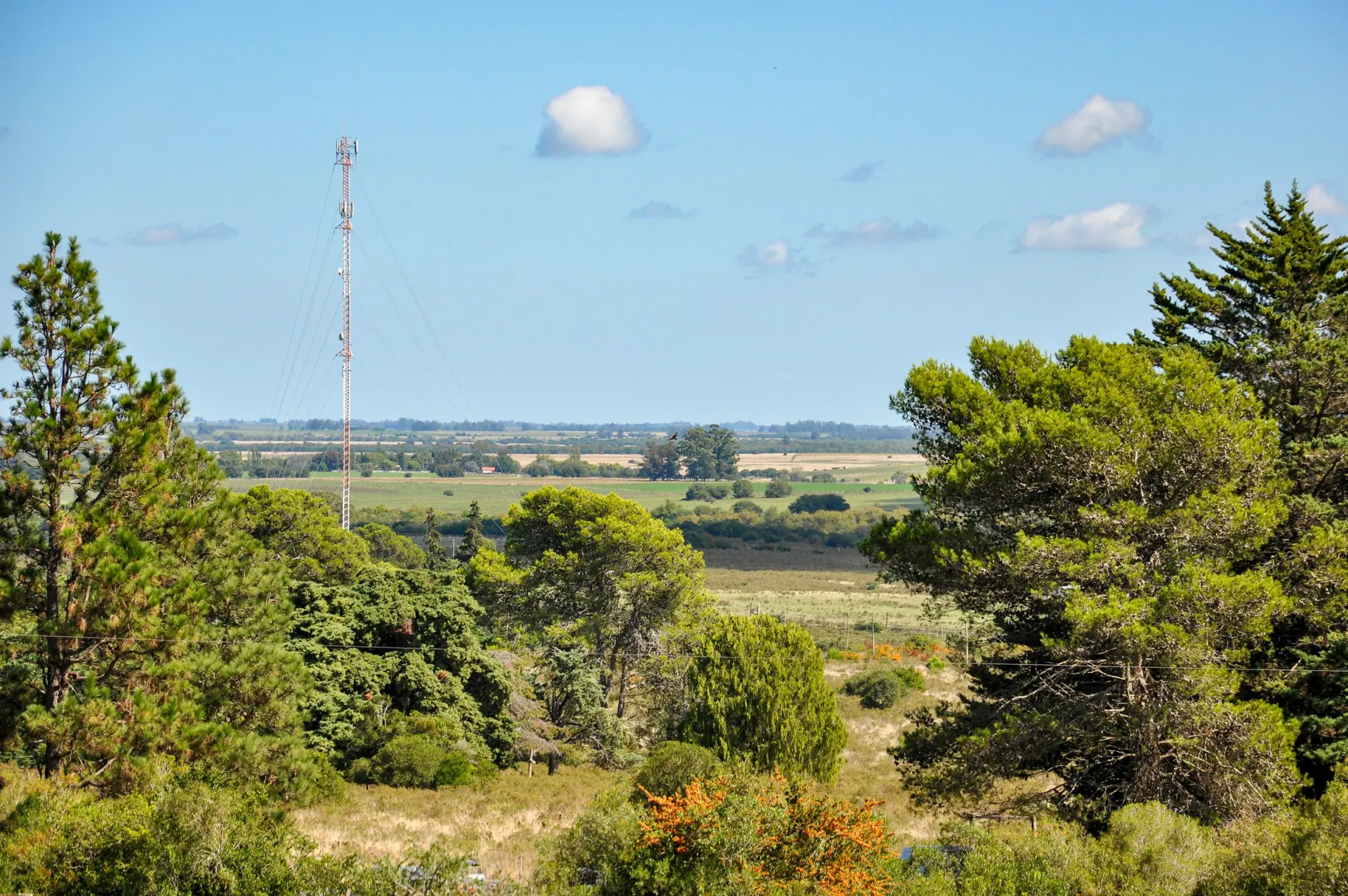
Figures describe the October 2024 announcement, not a current subscriber count or an individual speed guarantee.
“With Tarana, we’re putting connectivity first.”Kash Rahman · Managing Director, Airband
| Decision | Commercial question | Technical and operating response |
|---|---|---|
| Market selection | Which addresses are expensive or slow to reach with the planned construction route? | Create one address-level opportunity list across both access methods. |
| Service design | Which retail tiers and service expectations must remain consistent? | Validate representative wireless links against the proposed service promise. |
| Network integration | How will customer traffic, policy, monitoring, and support fit the existing operation? | Define the handoff between access, backhaul, and the operator core. |
| Capital release | What evidence would justify the next deployment phase? | Review install cost, adoption, service quality, and the operating burden together. |
The 265,000 figure is the announced coverage plan. It is not an active-subscriber count. The stated speed is an “up to” service figure, not the average of a measured link population.
Identify where construction, terrain, or time makes the existing approach difficult.
Assess link conditions, spectrum, backhaul, and the service tier you intend to offer.
Compare assumptions and confirm performance for representative customer locations.
How was the fiber-versus-wireless boundary chosen? Which assumptions most affected cost per connected customer? What did demand look like after the initial coverage launch?
Request a Peer ConversationWhich installation conditions were most difficult? How was service validated under load? What training, diagnostics, and spares were needed once the network went live?
Build a Pilot Plan