

Network Analysis
NMSurf / New Mexico
A closer look at broadband through obstructions.
Explore NMSurf / New Mexico
The platform, the products, and the always-on software behind them.
01Platform→ 02Products→ ALL OF ngFWA →Different operators. Different funding programs. One platform.
01By Operator→ 02By Program→ 03By Geography→ ALL SOLUTIONS →Different landscapes. Different deployment realities. Explore how operators are applying ngFWA in their markets.
Operator deployments across varied terrain and service areas.
Explore the RegionUK deployment evidence and country-specific planning.
Explore the RegionOperator partnerships and local broadband opportunities.
Explore the RegionStart with local availability and a feasibility discussion.
Explore the Region| Region | Commercial lens | Local validation | Next step |
|---|---|---|---|
| North America | Expansion, modernization, and funded service areas. | Address eligibility, competitive tiers, labor, site access, and the actual award conditions. | Explore Deployments |
| Europe, Middle East & Africa | Hybrid access for varied density, terrain, and construction economics. | Country-level authorization, partner coverage, installation costs, and local service requirements. | Review Regional Context |
| Latin America | New service options for underserved and competitive markets. | Affordability, backhaul, local procurement, spectrum availability, and support logistics. | Explore the XCIEN Story |
| Asia Pacific | Assess fit country by country, with local technical and commercial input. | Band approval, equipment certification, channel availability, and representative link tests. | Prepare a Regional Brief |
A closer look at broadband through obstructions.
Explore NMSurf / New Mexico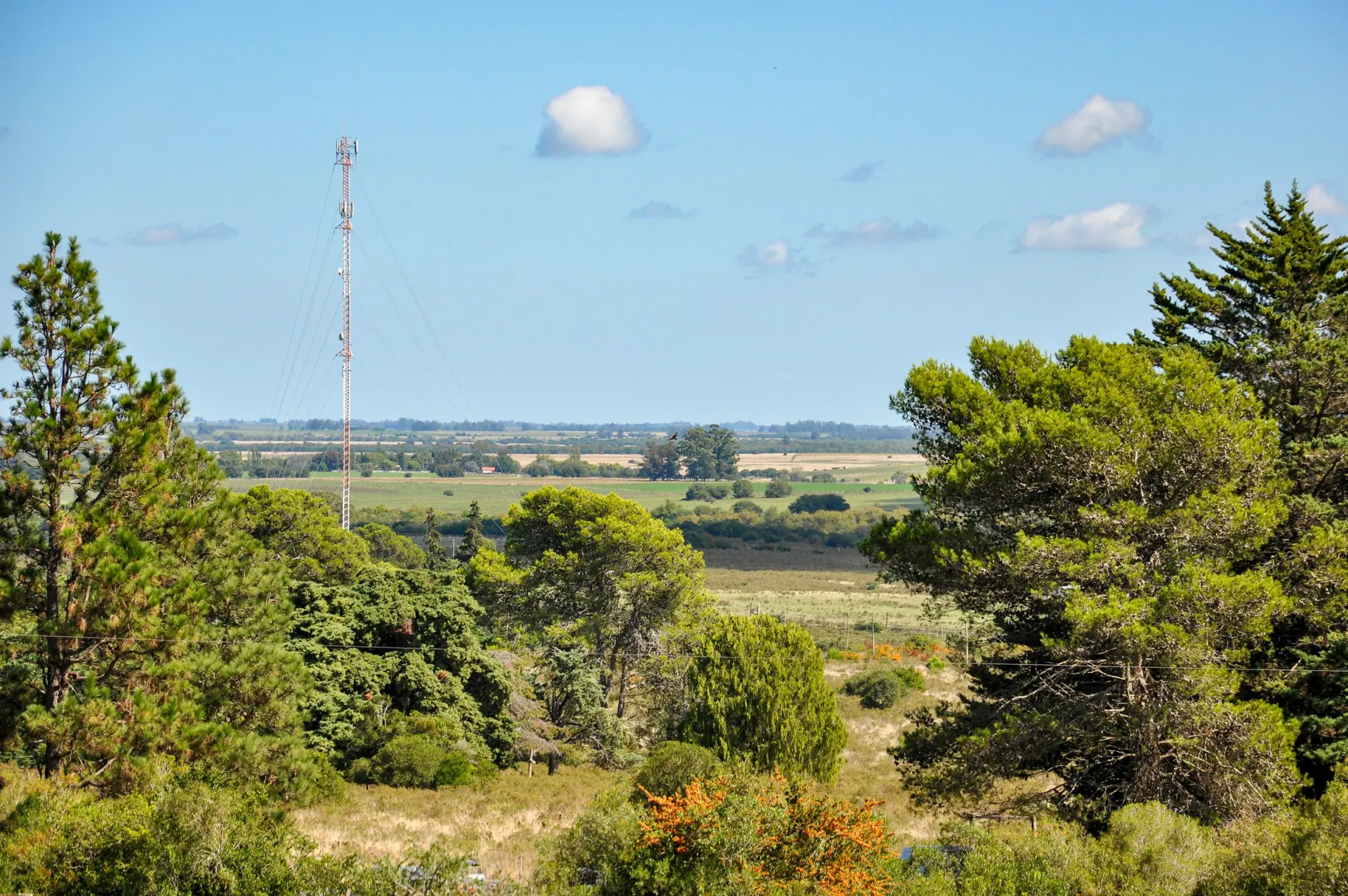

A deployment across challenging distances and terrain.
Explore Sky Fiber / Nevada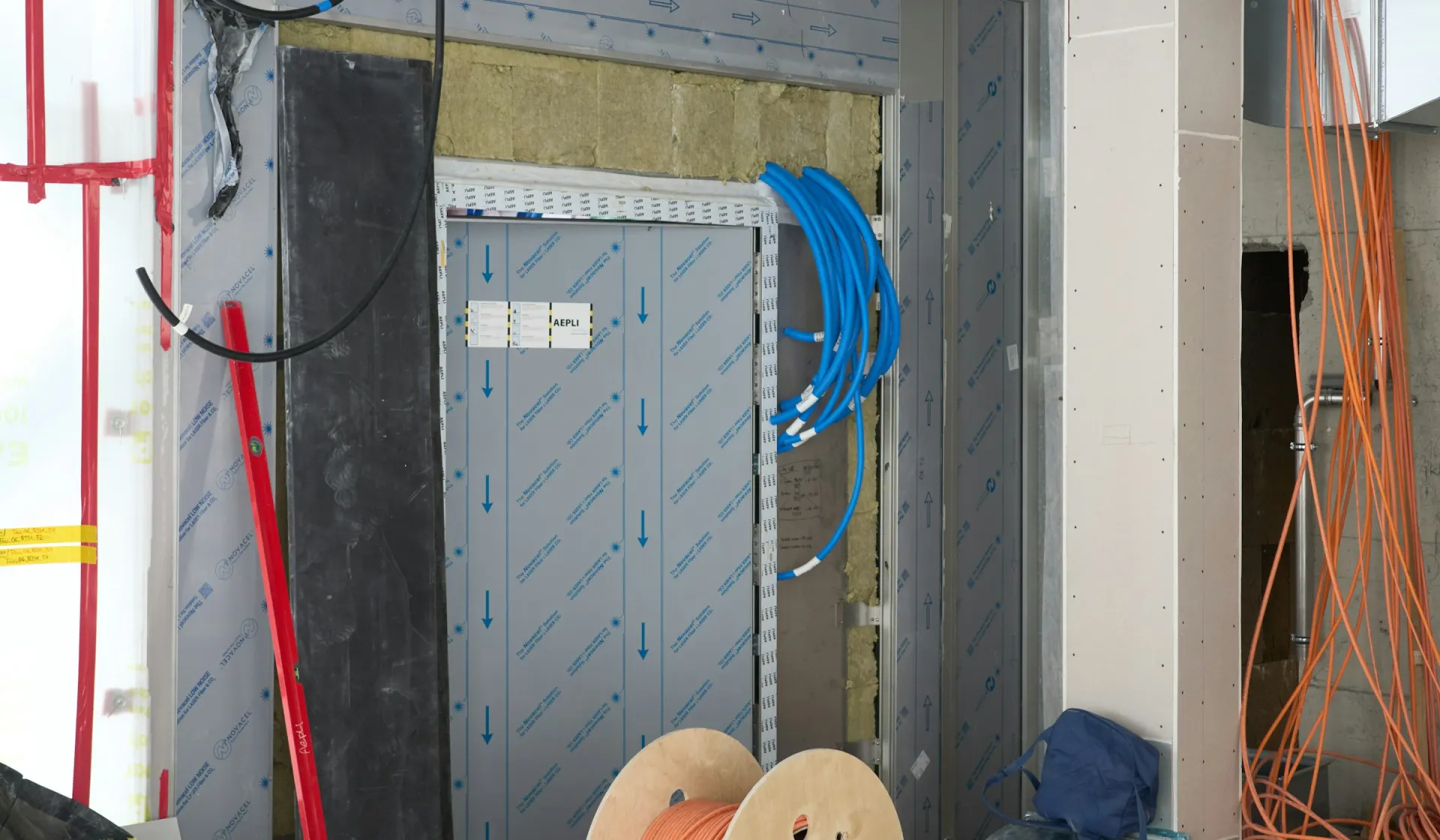

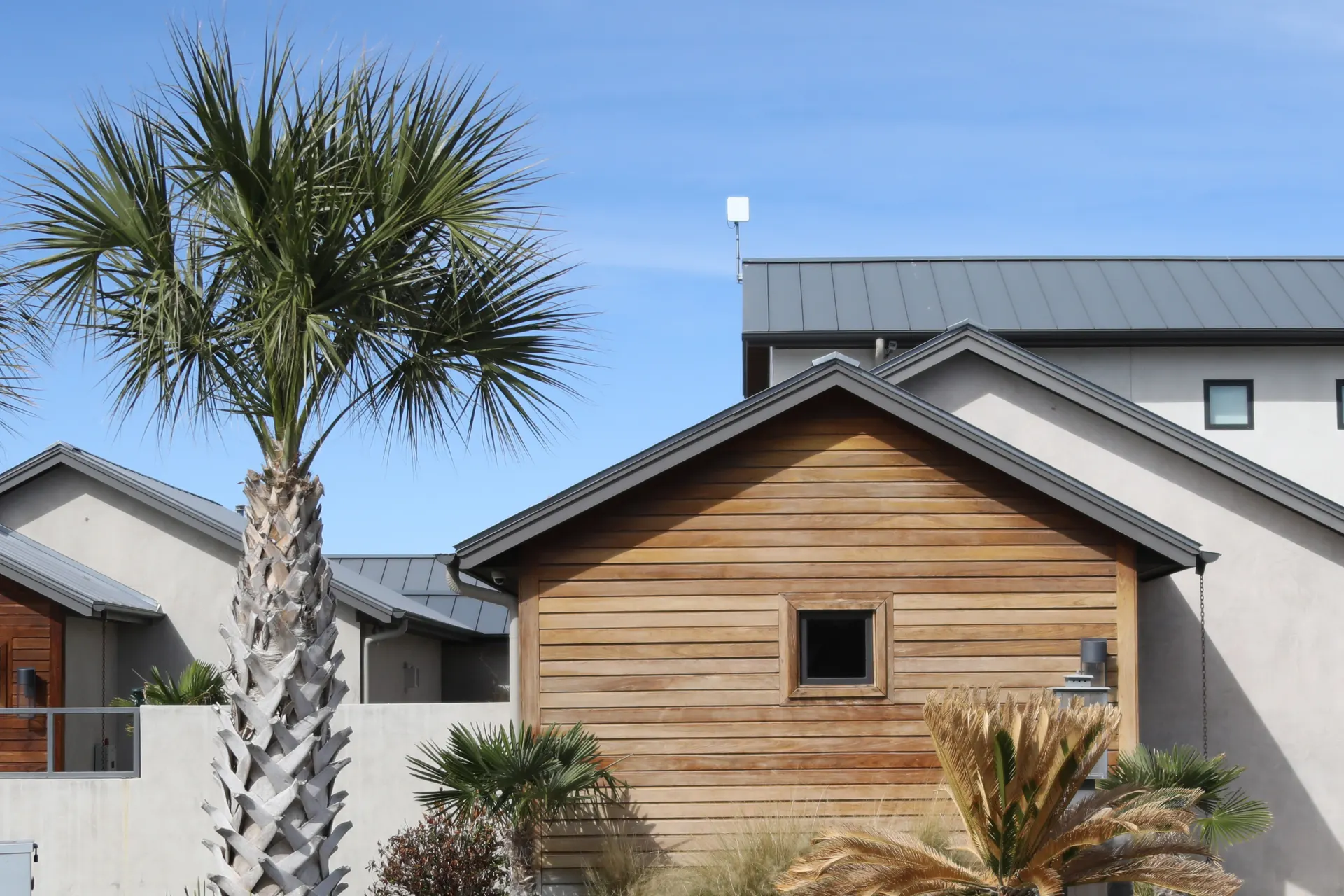
An example of wireless deployment economics.
Explore DigitalPath / CaliforniaThe examples below are from the UK. Evaluate availability, spectrum authorization, and support country by country across the region.

Airband’s 2024 announcement describes plans to bring high-speed access to 265,000 homes and businesses, with services up to 400 Mbps.
Read the Field ReportThe UK operator’s 2024 announcement provides a practical example of using fiber and ngFWA together. Read the reported scope before translating the approach to another country.
Explore the Airband ReportTarana and Scot-Tel-Gould announced a planned trial in September 2026. A trial is evidence of evaluation activity; it does not establish general commercial spectrum availability.

The 2022 partnership announcement described planned G1 services for residential and business customers, including locations where fiber economics are difficult.
Read the Announcement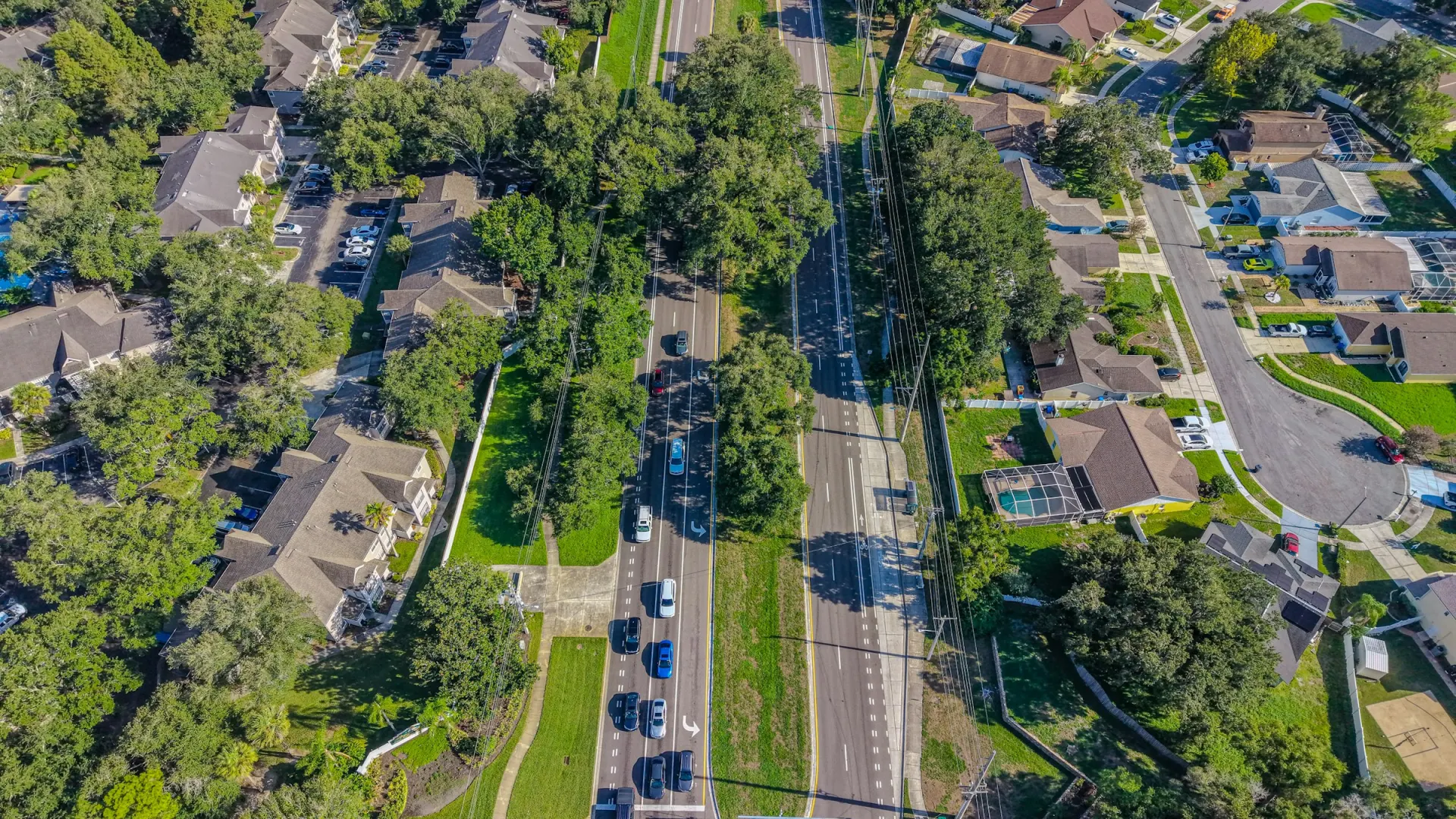
Start a regional evaluation with the intended country, candidate sites, approved spectrum options, service tiers, and target launch timing. The next step is a local availability and feasibility discussion, followed by a representative proof of concept.
Review available bands, licensing, and power limits for the specific country and deployment.
Consider installation practices, backhaul, field support, and local service expectations.
Evaluate demand, service tiers, and deployment economics in the target territory.